Cursor logo
vs

Compare Coder Agents to Cursor Agents

Cursor’s Self-Hosted Cloud Agents let teams run execution environments on infrastructure they control while relying on Cursor’s cloud for orchestration, model access, and the overall agent experience. For many teams, that balance offers a practical way to adopt agent workflows without managing the full system themselves.

Coder Agents is built for environments with stricter requirements. It keeps the control plane, agent loop, and model routing on infrastructure you control, giving teams full visibility into how agents run, how data flows, and whether anything operates outside their network perimeter. This makes it a better fit for regulated industries, air-gapped deployments, and organizations that need complete control over their development and AI systems.

Why look for Cursor Agents alternatives?

The agent loop runs in Cursor's cloud. Cursor's hybrid model executes tools on your machines, but planning, state management, and model inference stay in Cursor's hosted control plane. Per Cursor's docs, file chunks the model reads leave your network. For teams with strict perimeter or residency requirements, that's a meaningful architectural difference.

LLM credentials and routing are Cursor-managed. API keys for cloud agents are held by Cursor. Customers cannot bring their own keys, route to self-hosted models, or point inference at providers like Bedrock or Ollama. Teams that need full control over inference paths typically need a different platform.

Scaling agent workflows is constrained by the system design. Cursor’s architecture relies on a pool of agent workers running on customer infrastructure, with documented limits on how many can run concurrently (currently up to 50 workers per team and up to 10 per user). For organizations with high volumes of parallel agent activity, these caps can introduce bottlenecks and make it harder to scale agent usage consistently across teams.

None of this makes Cursor a worse product. Cursor optimizes for a managed experience and fast onboarding. Coder optimizes for environments where infrastructure boundaries are non-negotiable.

Architectural differences at a glance

Coder Agents
Cursor Agents (self-hosted)
Execution environment
Customer-controlled infrastructure
Agent loop location
Customer-controlled infrastructure
Cursor's hosted cloud service
Model inference
Direct to customer-configured provider, no Coder intermediary
Routed through Cursor
Agent tool execution
Customer-controlled infrastructure
Code and prompt data path
Sent only to the configured provider, or kept fully in-network with self-hosted models
Code context is sent to Cursor for inference
Internet dependency
Not required for fully self-contained deployments
Required for orchestration and inference
Air-gap capable
Supported with self-hosted models
Not supported
Model choice and control
Customer chooses and manages providers and models
Limited to Cursor-managed options
Control plane location
Customer-controlled infrastructure
Cursor's hosted cloud service
Open source
No

Why teams choose Coder Agents

When “self-hosted” means the entire stack: source code never leaves, model routing is under your control, and there's no mandatory connectivity to a vendor's cloud.

Server

Fully self-hosted architecture, not partial

The entire system runs on your infrastructure, including the control plane, agent loop, model routing, and execution environments. There’s no dependency on an external service for orchestration.

Shield

Air-gap and restricted-network ready

Coder Agents can run without internet access using self-hosted models. This makes it viable for environments where outbound connectivity is limited or prohibited.

Cloud

Direct control over models and providers

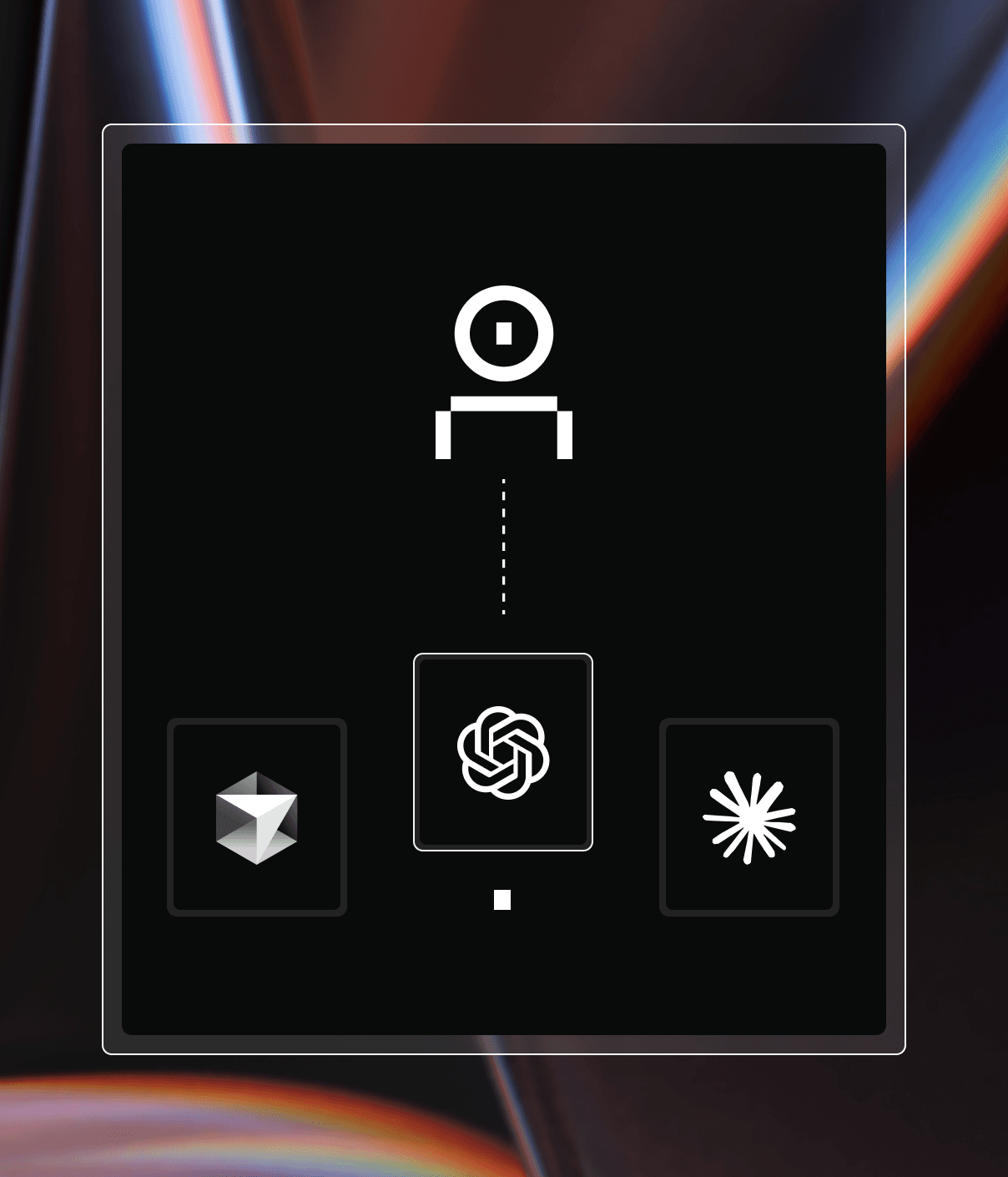
Teams choose which models to use and connect directly to providers like Anthropic, OpenAI, or self-hosted endpoints. There’s no intermediary managing routing or credentials.

Building

Built for enterprise scale

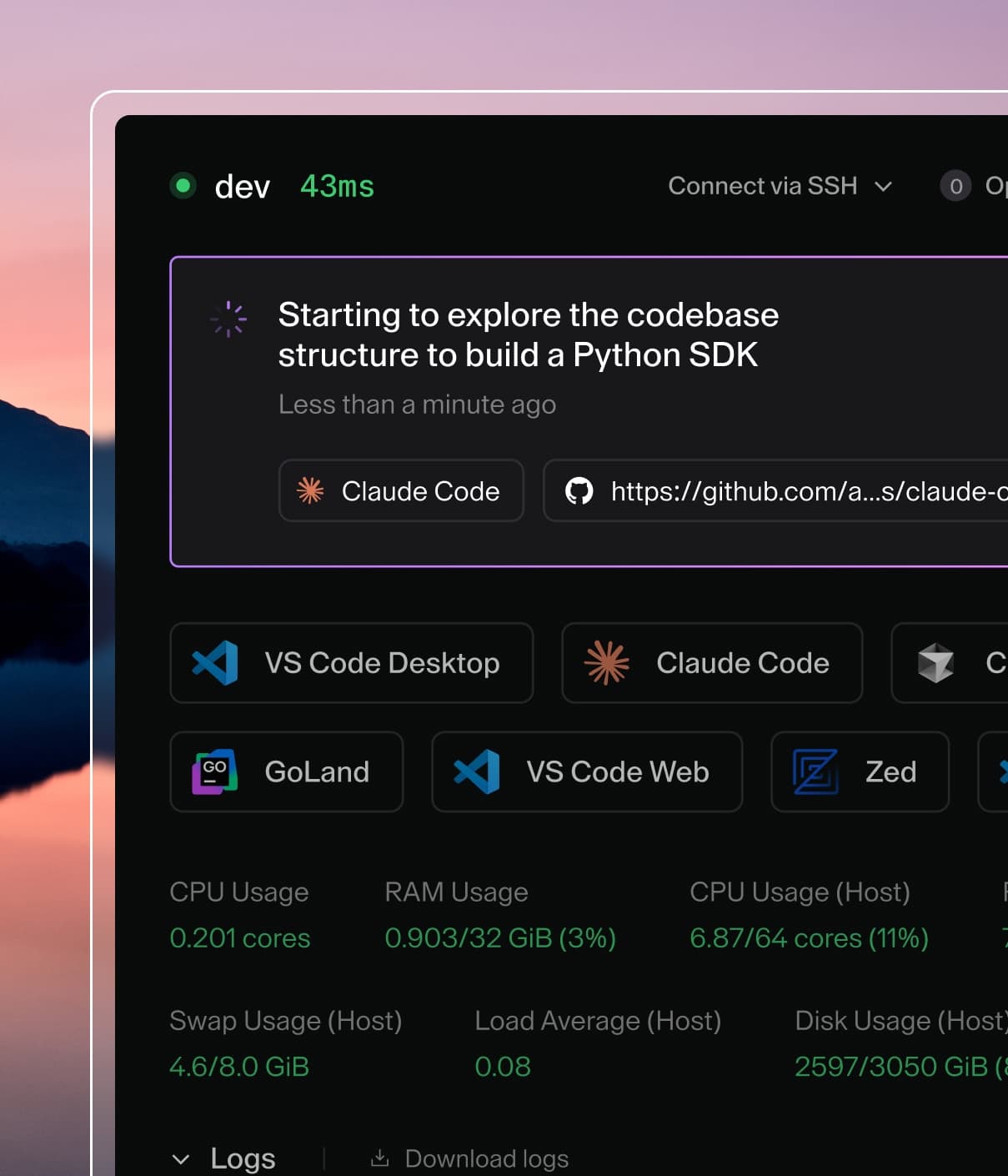
Agent workflows run through centralized infrastructure that can support large developer populations without relying on fixed pools of workers or per-task environments.

Robot

Unified infrastructure for devs and agents

Agent environments use the same infrastructure and provisioning model as developer workspaces. Platform teams manage one system, not separate stacks.

Globe

Open and inspectable

The platform is fully open source, allowing teams to audit, extend, and integrate it into their existing systems without relying on a black box.

FAQs

Is Coder Agents just another coding agent?
No. Coder Agents is a system for running and orchestrating agent workflows on infrastructure you control. The native agent is part of that system, but the real value is in how agents run, how work is provisioned, and how behavior is managed across environments.
Do I have to stop using tools like Cursor or Claude Code?
What does "fully self-hosted" actually mean?
Does any code or data leave my environment?
How does this compare to Cursor's self-hosted agents?
Is Coder Agents only for regulated industries?
Is it harder to set up than a SaaS agent?