Over the past few months, something interesting has been happening in the Coder community.
Developers are pushing Coder far beyond traditional workflows. They’re using it to build Minecraft mods, run personal lab-style workflows in the cloud, experiment with agent-driven systems, and move entire development setups off their laptops and into cloud workspaces.
I even used Coder myself to build a screenwriting app, not because it’s a traditional developer use case, but because Coder makes cloud development flexible, reproducible, and easy to move between machines.
What’s becoming clear is that Coder isn’t just a tool. It’s a platform that gives developers the freedom to work the way they want, while keeping environments consistent, secure, and ready to scale.
This flexibility matters more than ever as development moves from IDEs toward agentic workflows.
What we’re seeing is just the beginning
Most enterprises are building agentic AI on a foundation that wasn't designed for it. That's a problem.
AI coding tools like Cursor, Claude, and Copilot have reached mainstream adoption faster than anyone expected. What took traditional IDEs over a decade, these tools achieved in just a few years. But the workspace layer underneath them? It was built for humans, not agents.
That's where the community comes in.
At Coder, we believe the evolution from IDEs to Agentic Development Environments (ADEs) can’t be built in isolation. It has to be built with the developers, platform engineers, and contributors who are pioneering this new model. That’s why we’re focused on strengthening our relationship with the developer community in 2026.
Why now: The stack is changing
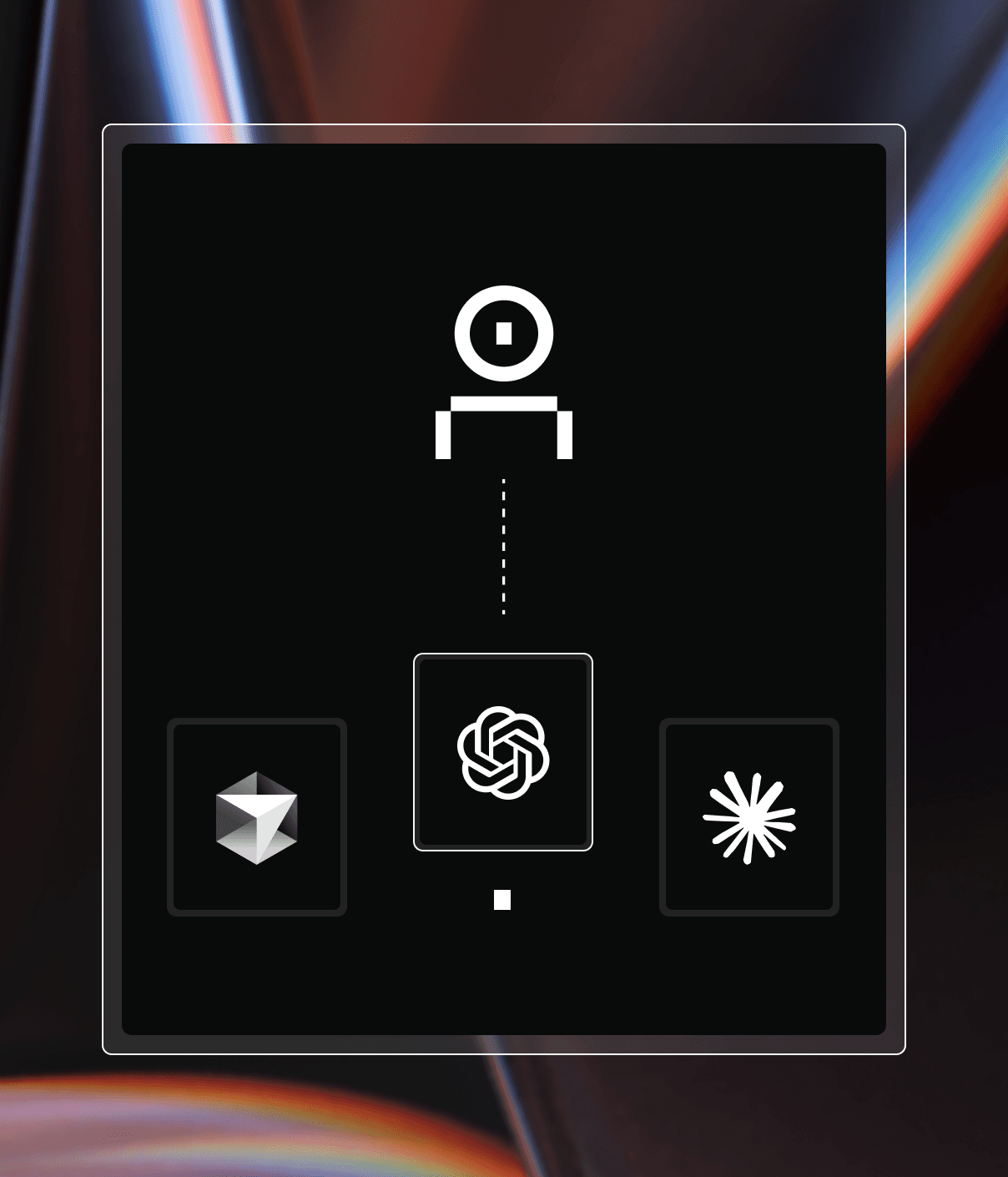
We’re seeing a new three-layer stack emerge:
- Application layer: Chat interfaces like Cursor or Claude replacing traditional code editors
- Agent layer: LLMs equipped with tools to complete tasks autonomously
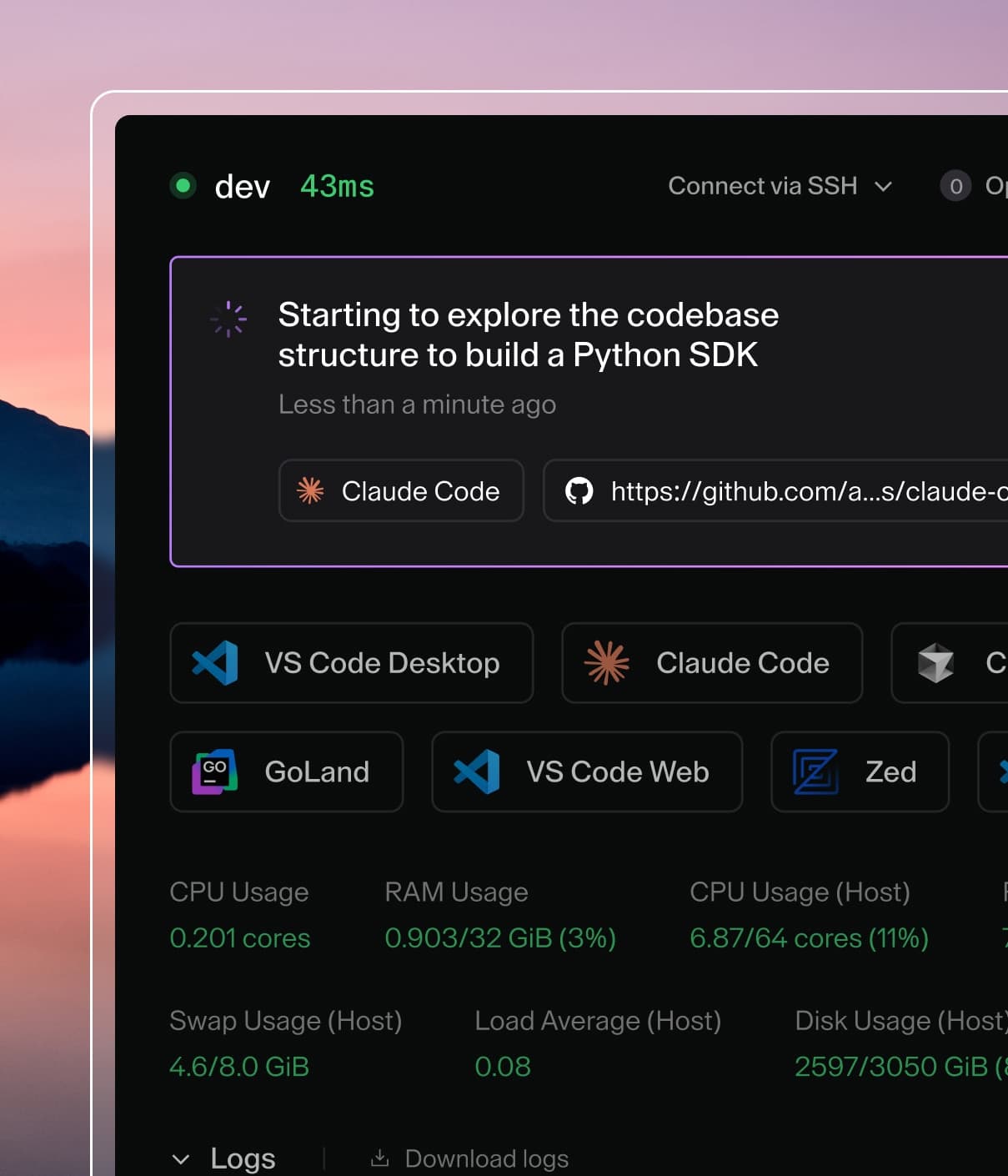
- Workspace layer: Where agents actually execute—and where Coder fits
This shift is real. Teams are already pairing chat-based tools like Cursor and Claude with secure workspace infrastructure. But most workspace environments were designed for human workflows, not agent-driven ones. That means there’s a new demand for sandboxing, provisioning, and governance that isn’t being met by default.
This challenge can’t be solved by product alone. It needs input, experimentation, and contributions from the broader developer community.
1. The new Coder community hub
We launched a new community hub to make it easier to get started with Coder. Whether you're new to cloud development or installing our Community Edition on AWS, this page gives you everything you need: install Coder in 60 seconds video, setup guides, contribution instructions, and ways to engage with others building on Coder.
2. Meetups
We’re hitting the road. In 2026, we’ll be hosting quarterly meetups in San Francisco, Austin, and London, plus additional events in cities where the community asks us to be. These meetups are about connection, not just content. We want to hear what you're building, where you're stuck, and how we can make Coder better together.
3. Discord + community office hours
Our Discord has been steadily growing into a place to share ideas, ask questions, and contribute. In 2026, we’re strengthening the feedback loop by bringing more of our engineers and product team directly into the conversation. We’re also launching quarterly community office hours, kicking off February 12, with leaders from our product team to talk about the roadmap, recent releases, and open Q&A.
4. Champions program
Recognition matters. That’s why we launched the Coder Champions Program. If you’re active in Discord, starring our GitHub repos, contributing templates, and helping others, we want to spotlight you. Perks include exclusive swag, access to a premium license, early access to features, and private Champions-only office hours.
To qualify:
- Participate in five community chats,
- Star our GitHub repo
- Help at least two people in the help channel.
- Nominate yourself or a fellow community member in our Discord general channel.
5. Community-led contributions
Whether you're submitting PRs, sharing modules, or improving templates, we want Coder to be an open canvas for your ideas. We're working on lowering the barrier to entry for contributors, including new guides for first-time PRs and easier ways to get your contributions noticed.
6. Devolution podcast
Hosted by our Field CTO, Nicky Pike, The [Dev]olution podcast is where we highlight voices from the industry and our community, building real-world systems with Coder. From Minecraft mods to agent-powered tooling, we’re featuring the creators who are pushing the boundaries of what’s possible.
We can’t build this alone
The future of development is agentic. But the infrastructure to support it isn’t just technical, it's social. We need awareness, education, and collaboration across the ecosystem.
Community is how this work gets done.
We’re betting that the best ideas won’t come from inside our company, they’ll come from you.
How to get involved
If you're using Cursor, Claude, or any of the new AI dev tools and hitting governance walls, we want to hear from you. If you're building agent workflows and need secure infrastructure, check out our open source tools. If you're just curious what others are doing, join our Discord.
And if you want to help build the future of agentic development?
We're hiring. See open roles at coder.com/careers.