How Skydio Uses Coder to Scale AI Agents on a Million-Line Monorepo

Skydio builds drone platforms used by emergency services, fire departments, and police departments around the world. From a cloud platform, operators can launch drones on missions to help make the world safer. Behind this technology sits a massive codebase spanning vehicle firmware, mobile controllers, docking stations, and cloud services — all managed in one repository.
For years, this complexity created significant challenges. For one, new engineers would spend weeks getting their development environment working before they could write a single line of code. The solution came through Coder's cloud development environments, which not only eliminated setup friction but later became the foundation for scaling AI agents across the entire organization.
We recently hosted Skydio on a webinar during the product launches for AI Bridge, Agent Boundaries, and Coder Tasks, and here’s what we learned about their environment and how they use Coder to run multiple AI agents in parallel, enable non-engineers to contribute code, and ship features that wouldn't have been built otherwise.
The local development problem
Skydio's codebase had been growing for over a decade in a monorepo — a single repository containing all of an organization's code, rather than splitting it across multiple repositories. While companies like Google and Meta famously use monorepos to manage billions of lines of code, they're relatively uncommon in the industry because they create significant complexity at scale.
During that decade, the Skydio team had accumulated custom build processes, specific library versions, and particular configuration requirements.
All of this lived on developers' local machines — and you can see where this is going.
New engineers would spend their first three weeks just trying to get code to compile and run. They'd install dependencies, hit version conflicts, troubleshoot configuration issues, and work through problems that experienced engineers had already solved years ago. By the time they could actually start contributing, weeks had passed.
The problems extended beyond onboarding:
- Switching between patches for older vehicle firmware and current development would break local setups
- Replicating another developer's environment to debug issues was nearly impossible because everyone's machine was configured differently
- Certain frameworks wouldn't run on standard developer laptops due to hardware limitations
- Starting fresh after a broken environment meant going through the entire setup process again
The traditional model of everyone developing on their own machine wasn't working anymore.
Standardizing environments with Coder
Skydio adopted Coder to solve these problems, but they didn't force developers to abandon their local setups immediately. Instead, they made Coder available for specific use cases where local development was causing problems.
Need to work on a patch for an older version without breaking your main environment? Spin up a Coder workspace, make the fix, submit it, and delete the workspace. Your local setup stays untouched.
The real improvements came in how Skydio built their Coder environments. Instead of maintaining separate development and production build systems, they used the same infrastructure for both. Every four hours, Skydio's build system creates production firmware from the latest code. If that build succeeds, the system saves that exact environment as a Coder workspace template.
This means that when a developer starts a Coder workspace, they're using the exact same environment that just successfully built production code. There's no possibility of environment drift.
The team automated the developer experience within these environments:
- Integrated dotfiles so each developer's personal preferences and shortcuts carried over to any workspace
- Connected AWS Secrets Manager so credentials were automatically available without being stored in code or configuration files
- Achieved six-and-a-half-minute provisioning from nothing to a fully functional development environment with an IDE and running services
The result? As Elliot Graebert, senior director of engineering at Skydio, puts it, “On day one, you are writing code and merging code.”
Introducing AI agents to the workflow
So once cloud development environments were established, Skydio started using AI coding tools to tackle work no one wanted to do manually, like fixing thousands of accumulated linting errors across the codebase.
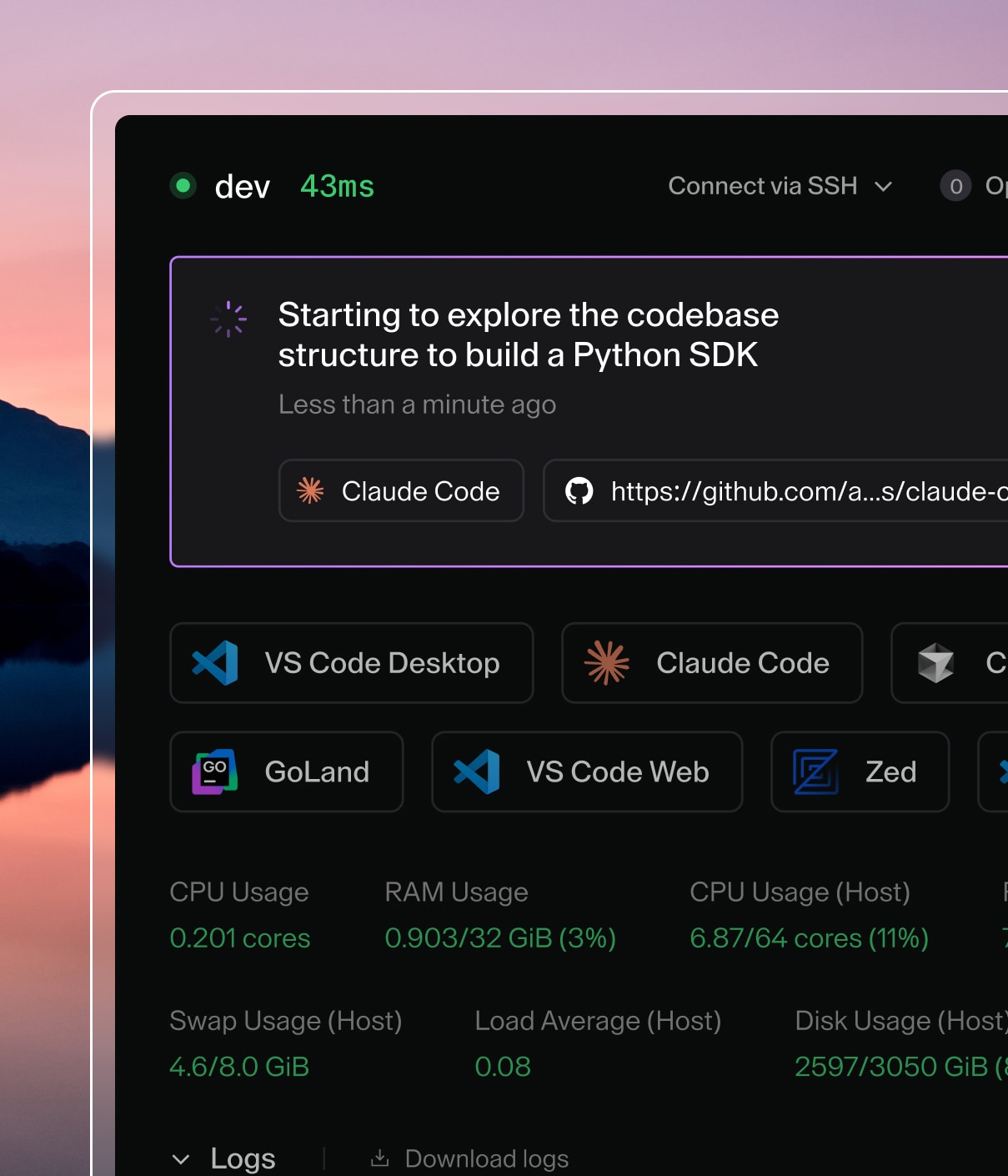
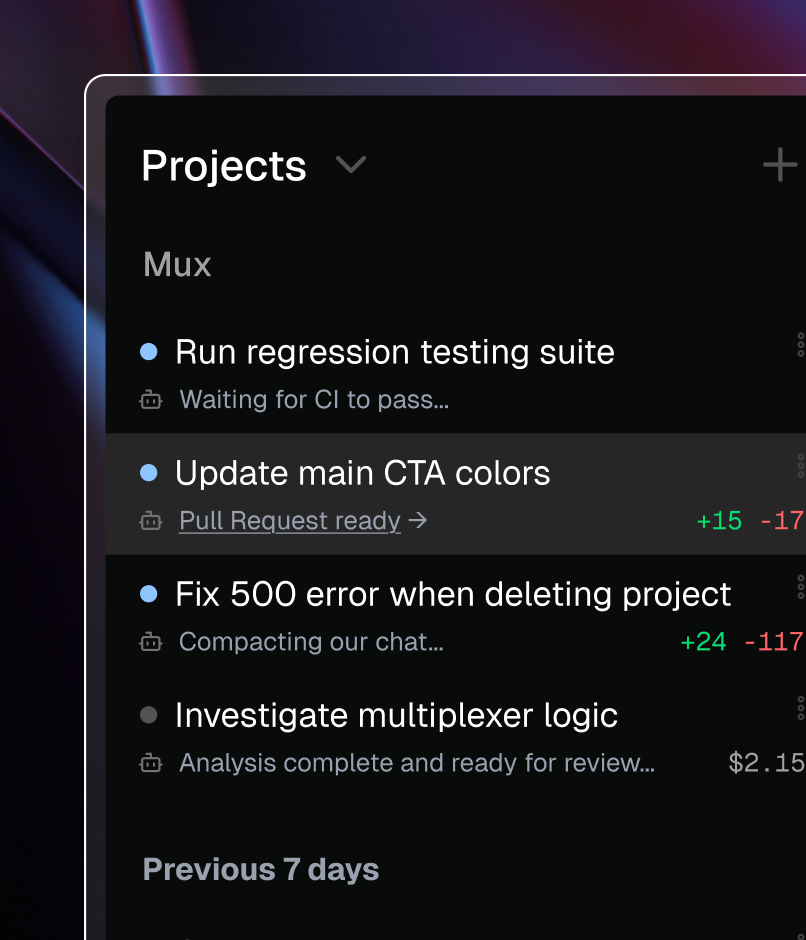
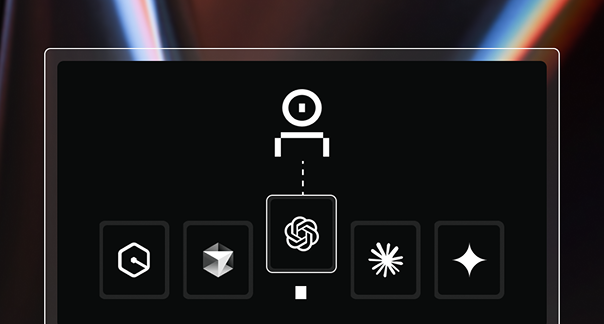
Coder's infrastructure became essential for scaling this work. For example, when the team encountered a complex UI bug that had stumped senior engineers, they ran three different AI agents simultaneously in three separate Coder workspaces, each trying a different approach until one eventually succeeded.
This parallel workflow is only practical with cloud environments. On a local machine, you can't easily run multiple AI agents working on different approaches to the same problem without them interfering with each other. And then there’s the security factor: Modern agentic development tools like OpenClaw have gained popularity for running AI agents locally, but they present challenges around credential management and network access.
Skydio's approach of running agents in isolated, cloud-based Coder workspaces offers a more secure alternative, ensuring agents can't exfiltrate code or access unauthorized resources while still maintaining the flexibility to work across the entire codebase.
Here’s how simple Elliot makes it sound: “We started leveraging Coder Tasks, where the idea is… I type in the prompt, I let the workstation boot up, and then I wait for either a pull request to get delivered or the agent to come back and say that it failed.”
Results and what's next
Skydio has seen a measurable impact from combining Coder with AI tools:
- 30-40% increase in pull requests merged
- Features that wouldn't have been built are now in production
- Frontend migration completed
- New interfaces shipped
- Previous blockers resolved
The company is now hiring engineers specifically to build AI workflows and prompt libraries. The goal is to formalize prompt engineering as a real discipline — building up documented approaches that reliably produce good results, rather than having everyone figure it out individually.
Throughout this, Skydio has been clear that AI is about building more, not replacing people. Engineers get to work on more of what they want to build. Infrastructure experts can implement their ideas directly. Product managers can prototype interfaces.
The focus has always been on simply increasing what the team can accomplish.
From an onboarding solution to AI infrastructure
Skydio adopted Coder to solve a straightforward problem: getting new engineers productive faster. By building cloud development environments from the same infrastructure that produces production code, they eliminated environment inconsistencies and setup friction.
What they gained was more valuable than faster onboarding: Ephemeral environments that spin up in minutes enabled new workflows that weren't possible with local development. And when AI coding tools emerged, Coder became the foundation that made them practical to scale across a million-line codebase and ship features that wouldn't have existed otherwise.
To learn more about how Skydio uses Coder to deploy agentic AI at scale, check out the full webinar: https://www.youtube.com/watch?v=aT0YUV5TavM
Subscribe to our newsletter
Want to stay up to date on all things Coder? Subscribe to our monthly newsletter and be the first to know when we release new things!