NS Jail
nsjail is Agent Boundaries' default jail type that uses Linux namespaces to provide process isolation. It creates unprivileged network namespaces to control and monitor network access for processes running under Boundary.
Overview
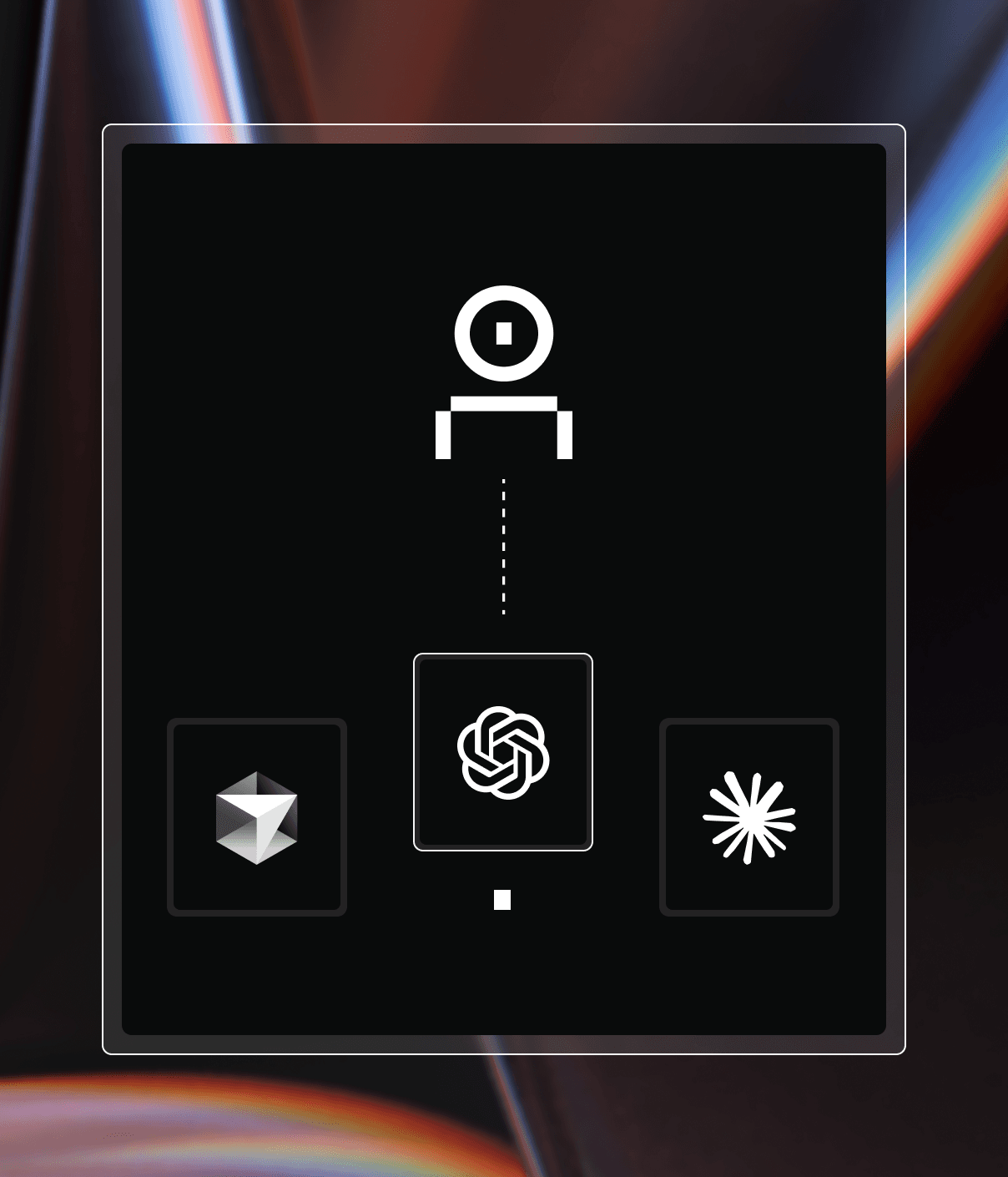
nsjail leverages Linux namespace technology to isolate processes at the network level. When Agent Boundaries runs with nsjail, it creates a separate network namespace for the isolated process, allowing Agent Boundaries to intercept and filter all network traffic according to the configured policy.
This jail type requires Linux capabilities to create and manage network namespaces, which means it has specific runtime requirements when running in containerized environments like Docker.
Architecture
Runtime & Permission Requirements for Running Agent Boundaries in Docker
This section describes the Linux capabilities and runtime configurations required to run Agent Boundaries with nsjail inside a Docker container. Requirements vary depending on the OCI runtime and the seccomp profile in use.
1. Default runc runtime with CAP_NET_ADMIN
When using Docker's default runc runtime, Agent Boundaries requires the
container to have CAP_NET_ADMIN. This is the minimal capability needed for
configuring virtual networking inside the container.
Docker's default seccomp profile may also block certain syscalls (such as
clone) required for creating unprivileged network namespaces. If you encounter
these restrictions, you may need to update or override the seccomp profile to
allow these syscalls.
see Docker Seccomp Profile Considerations
2. Default runc runtime with CAP_SYS_ADMIN (testing only)
For development or testing environments, you may grant the container
CAP_SYS_ADMIN, which implicitly bypasses many of the restrictions in Docker's
default seccomp profile.
- Agent Boundaries does not require
CAP_SYS_ADMINitself. - However, Docker's default seccomp policy commonly blocks namespace-related
syscalls unless
CAP_SYS_ADMINis present. - Granting
CAP_SYS_ADMINenables Agent Boundaries to run without modifying the seccomp profile.
⚠️ Warning: CAP_SYS_ADMIN is extremely powerful and should not be used in
production unless absolutely necessary.
3. sysbox-runc runtime with CAP_NET_ADMIN
When using the sysbox-runc runtime (from Nestybox), Agent Boundaries can run
with only:
CAP_NET_ADMIN
The sysbox-runc runtime provides more complete support for unprivileged user namespaces and nested containerization, which typically eliminates the need for seccomp profile modifications.
Docker Seccomp Profile Considerations
Docker's default seccomp profile frequently blocks the clone syscall, which is
required by Agent Boundaries when creating unprivileged network namespaces. If
the clone syscall is denied, Agent Boundaries will fail to start.
To address this, you may need to modify or override the seccomp profile used by
your container to explicitly allow the required clone variants.
You can find the default Docker seccomp profile for your Docker version here (specify your docker version):
https://github.com/moby/moby/blob/v25.0.13/profiles/seccomp/default.json#L628-L635
If the profile blocks the necessary clone syscall arguments, you can provide a
custom seccomp profile that adds an allow rule like the following:
{
"names": ["clone"],
"action": "SCMP_ACT_ALLOW"
}
This example unblocks the clone syscall entirely.
Example: Overriding the Docker Seccomp Profile
To use a custom seccomp profile, start by downloading the default profile for your Docker version:
https://github.com/moby/moby/blob/v25.0.13/profiles/seccomp/default.json#L628-L635
Save it locally as seccomp-v25.0.13.json, then insert the clone allow rule shown above (or add "clone" to the list of allowed syscalls).
Once updated, you can run the container with the custom seccomp profile:
docker run -it \
--cap-add=NET_ADMIN \
--security-opt seccomp=seccomp-v25.0.13.json \
test bash
This instructs Docker to load your modified seccomp profile while granting only
the minimal required capability (CAP_NET_ADMIN).