Offload ML Workloads

Train models in the cloud, not on developer laptops.

Give data scientists and ML engineers access to cloud infrastructure near their data, scale GPUs on demand, and control costs through automated resource management.

Two Column Masthead Background

Accelerate model training without wasting GPU resources.

Give data scientists and ML engineers access to the GPUs needed for training and experimentation, without permanently allocating expensive hardware to every engineer. Reduce waste through shared infrastructure, automated scheduling, and resource lifecycle management.

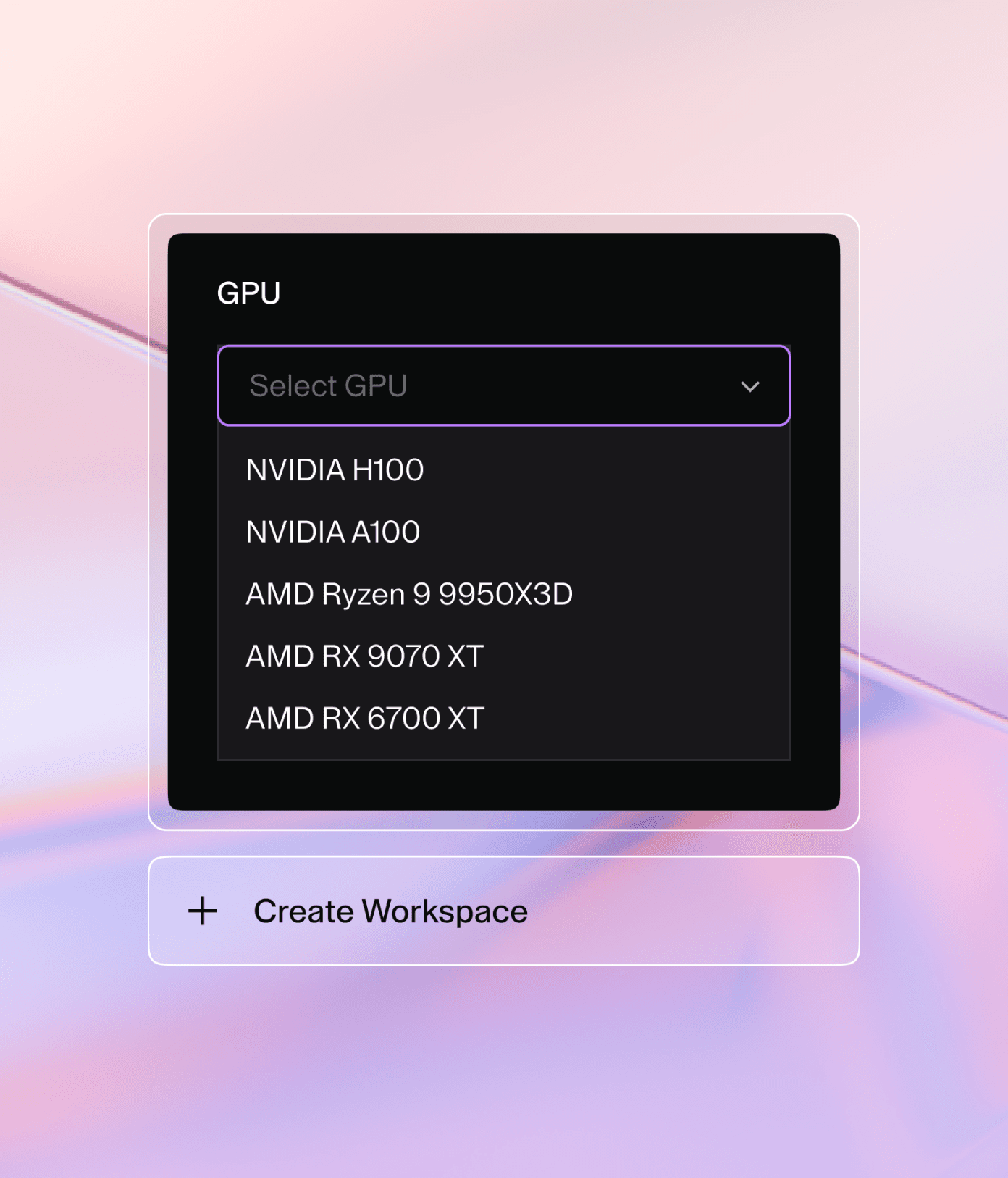
Provision GPUs on demand

  • Provision and attach GPUs only when training and experimentation require them.
  • Let users select the GPU type and size that fits their workload.
  • Support cloud, Kubernetes, and on-prem GPU infrastructure.

Automatically reclaim expensive resources

  • Shut down idle workspaces and automatically release attached GPUs.
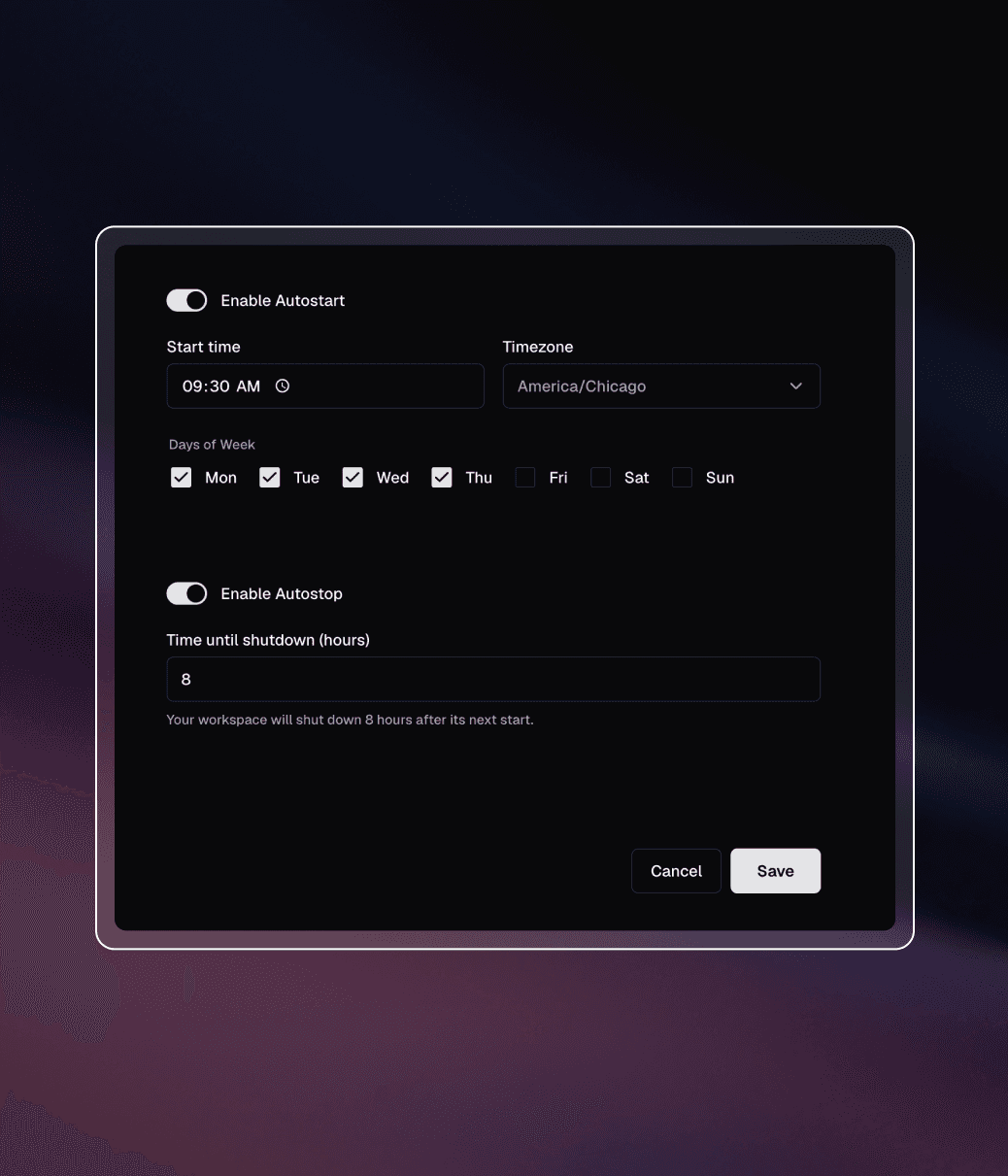
  • Schedule startup and shutdown policies around team needs.
  • Prevent GPUs from sitting idle overnight or over weekends.

Persist environments, not GPUs

  • Persist code, data, and configs while releasing expensive compute.
  • Restart environments with the same tools and context intact.
  • Separate persistent developer state from ephemeral GPU resources.

Enterprises deploying Coder at scale.

Discord Logo
Skai Logo
Square Logo
Payabl Logo
Palantir Logo

Abridge reduced developer onboarding from days to minutes while supporting ML researchers training and evaluating models on GPU clusters.

Learn how Abridge supports ML researchers training on GPU clusters with Coder
Abridge

Bring tools you love

Claude
Goose
Aider
Kiro
Gemini
GitHub
OpenCode
OpenAI
Auggie
Sourcegraph Amp
Cursor
Claude
Goose
Aider
Kiro
Gemini
GitHub
OpenCode
OpenAI
Auggie
Sourcegraph Amp
Cursor
Claude
Goose
Aider
Kiro
Gemini
GitHub
OpenCode
OpenAI
Auggie
Sourcegraph Amp
Cursor

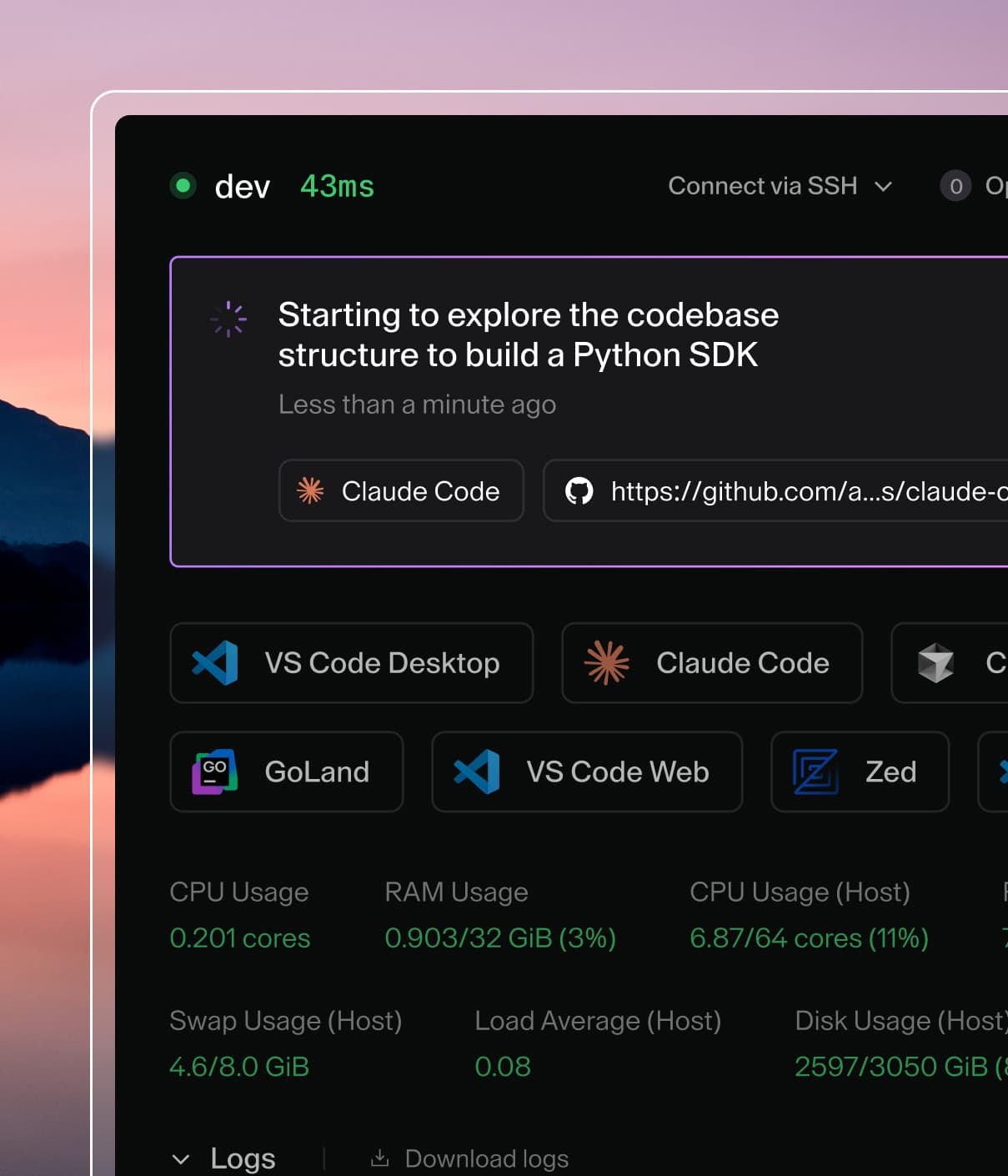
Run ML tools like PyCharm, VS Code, and Jupyter on cloud CPUs and GPUs, with training data kept close to compute instead of on developer laptops.

Use tools ML teams know

  • Connect from PyCharm, VS Code, Jupyter, Cursor, and browser-based IDEs.
  • Train models on cloud CPUs and GPUs without changing existing workflows.
  • Avoid forcing teams onto proprietary notebook platforms or specialized tooling.
See how Abridge supports ML researchers on GPU clusters
Screenshot of Coder Agents running a workspace

Train models near your data

  • Keep large training datasets close to the compute that uses them.
  • Reduce data movement, synchronization overhead, and local storage requirements.
  • Give teams access to consistent training data instead of maintaining limited local copies.
See how the DoD accelerated ML training on AWS GovCloud
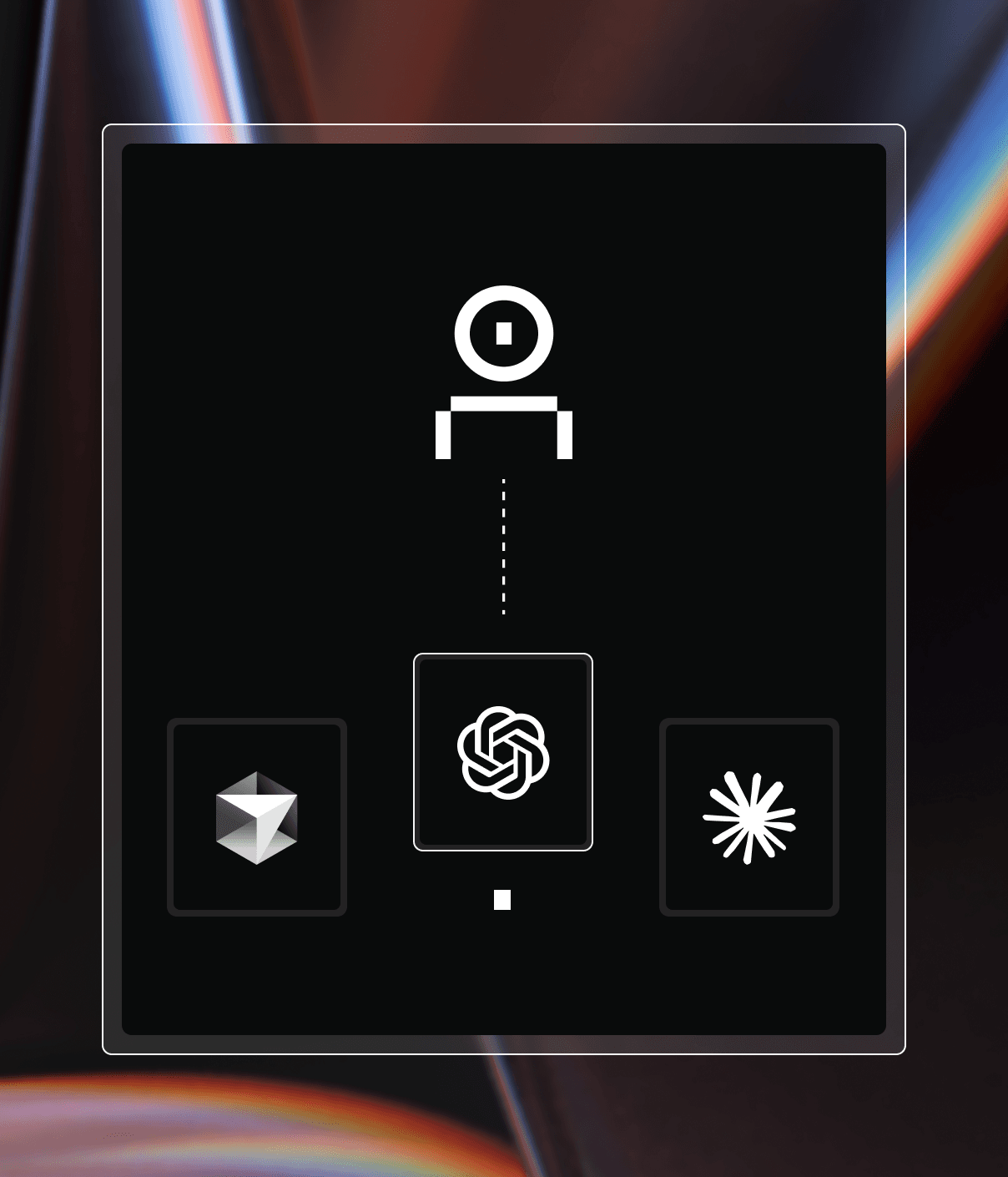
Screenshot of AI providers in the Coder workspace

Manage GPU costs

  • Set quotas for GPU-backed workspaces by user, team, or organization.
  • Automatically reclaim idle resources through scheduling and lifecycle policies.
  • Give researchers self-service access without sacrificing budget controls.
See how CytoReason reduced cloud spend by 60%
Screenshot of Coder workspaces in use

Related content

FAQs

How does Coder give ML teams access to GPUs?
Coder workspaces are defined in Terraform, so GPUs from AWS, GCP, Azure, Kubernetes, or on-prem hardware attach at workspace start and release automatically on stop.
How does Coder help us avoid paying for idle GPUs?
Can ML researchers train models directly on our centralized datasets?
Does Coder work with our existing ML infrastructure?
Is Coder secure enough for regulated ML workloads?